Skip to content

What Makes a Good Pickleball Paddle? Key Features Explained

CEO & Technical Expert at Pickleball Equipment Company (Art Pickleball)
Specialize in manufacturing pickleball paddles, pickleball balls, and pickleball accessories.
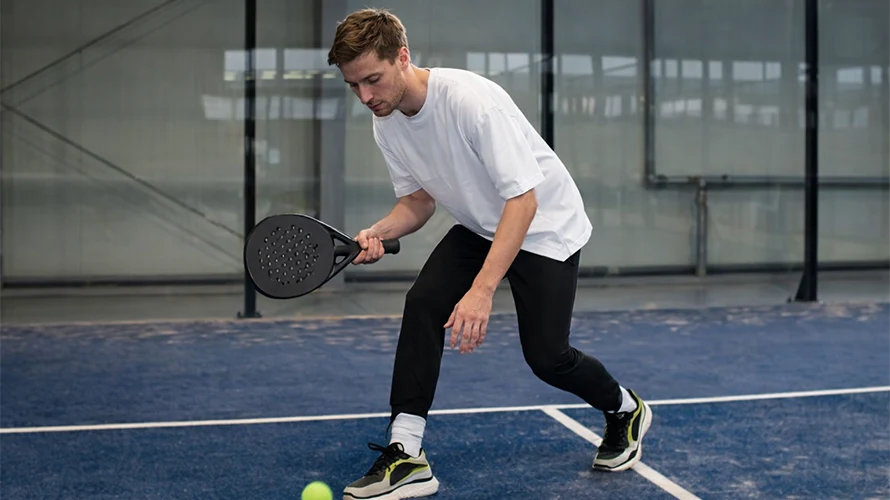
A good pickleball paddle is one that matches your playing style and gives you the right balance of control, power, forgiveness, comfort, and stability. For most players, the features that matter most are weight, core thickness, shape, grip size, handle length, and overall feel rather than brand hype alone.
A lot of players begin by looking at brand names, reviews, or eye-catching face materials. That is understandable, but those details do not always tell you whether a paddle will actually feel right once you step on the court. In real play, the biggest differences usually come from the fundamentals. How heavy the paddle feels in your hand, how stable it is on contact, how forgiving it is on off-center shots, and how naturally it fits your grip all make a bigger impact than many players expect.
If you are still comparing different pickleball paddles, it helps to understand these core performance factors before looking at specific constructions or materials.
That is why a good pickleball paddle is not simply the most expensive one or the one with the loudest marketing. It is the one that helps you play more confidently, more comfortably, and more consistently.
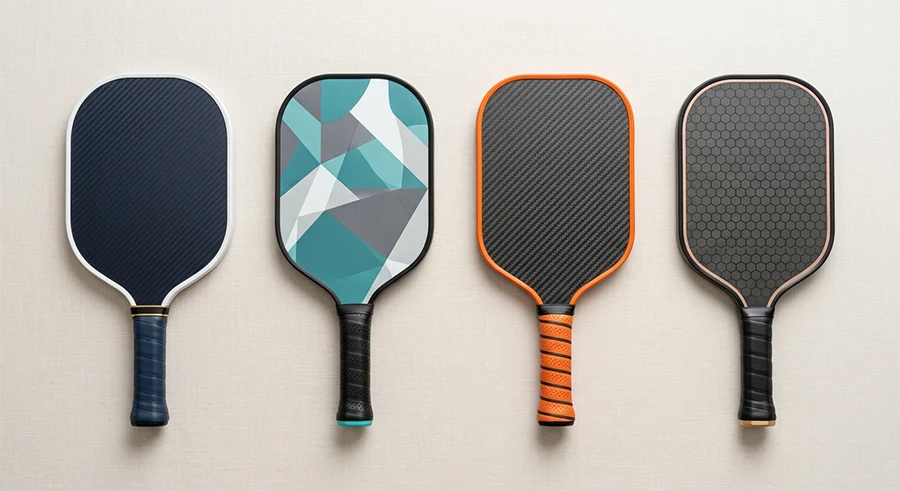
A Good Paddle Fits Your Game Better Than Hype
When players ask what makes a good pickleball paddle, they are usually hoping for one simple answer. The truth is that a good paddle is not defined by one feature. It is defined by how well its design works for the way you actually play.
For one player, a good paddle may mean a softer and more controlled feel that helps with resets, dinks, and patient placement. For another, it may mean a quicker, more explosive response that supports aggressive drives and faster counters. Some players want a larger sweet spot and a more forgiving face. Others are willing to trade some forgiveness for extra reach or a livelier response.
That is why the best paddle for one player can feel completely wrong for another. A paddle is only good when its strengths line up with your priorities on the court.
Weight Changes Feel Faster Than Most Players Expect
Weight is one of the first things that changes how a paddle feels in actual play. It affects hand speed, stability, comfort, and even fatigue over the course of a match.
Lighter Paddles Usually Feel Faster
A lighter paddle usually feels easier to maneuver, especially during quick exchanges at the kitchen line. It can help players react faster, keep their hands more active, and play longer without feeling as much strain in the arm or shoulder. For players who value speed and quick reactions, a lighter setup often feels more natural.
Heavier Paddles Can Feel More Stable
A heavier paddle can feel more solid and planted through contact. Some players like that extra mass because it can make the paddle feel steadier on blocks, drives, and counters. But heavier does not automatically mean better. If the paddle feels too heavy for your swing, your reactions can slow down, your hand speed can drop, and your arm may tire more quickly.
So What Is the Right Weight?
The right weight is not the one that feels most powerful for a few minutes. It is the one you can swing confidently and repeatedly throughout an entire session. A good paddle weight should support your game, not wear you down.
Core Thickness Changes the Balance Between Control and Pop
Core thickness is one of the clearest examples of trade-offs in paddle design. It has a major effect on how the paddle responds when the ball comes off the face.
Thinner Cores Often Feel Quicker and Livelier
A thinner paddle often feels more direct and more explosive. Many players describe that as extra pop. If you like to attack, speed up the ball, or play with a more aggressive style, that quicker response can feel exciting and useful.
Thicker Cores Often Feel Softer and More Controlled
A thicker paddle often feels calmer and more stable. Many players prefer that because it helps them manage resets, blocks, drops, and touch shots with more confidence. It can make the paddle feel easier to trust, especially when the pace gets fast or contact is less than perfect.
Which One Is Better?
Neither is automatically better. A thinner paddle can feel great for players who want more immediate feedback and a more explosive response. A thicker paddle can feel better for players who want stability, consistency, and easier control under pressure.
A good paddle thickness is the one that supports the shots you want to hit most often.
Shape Affects Reach, Sweet Spot, and Forgiveness
Paddle shape is not just a visual preference. It changes how the paddle performs in several important ways, including reach, sweet spot size, forgiveness, and overall handling.
Elongated Paddles
An elongated paddle usually gives you more reach and a little more leverage. That can be appealing for players who want extra length on their contact point or who prefer a shape that feels more familiar from other racket sports. The trade-off is that elongated paddles often feel a bit less forgiving across the full face, especially on off-center contact.
Standard or Wide-Body Paddles
A standard or wider shape usually gives you a broader sweet spot and a more forgiving strike zone. That can help players make more consistent contact and feel more stable during dinks, blocks, counters, and defensive shots. Many players, especially those who value consistency, find this style easier to trust.
Hybrid Paddles
Hybrid shapes sit between those two extremes. They are often a strong choice for all-court players who want some added reach without giving up too much forgiveness.
There is no single best shape for everyone. A paddle shape is only good when its trade-offs fit your game.
Grip Size and Handle Length Matter More Than Many Players Think
Players often focus on face material, core, and shape first, but grip size and handle length can have a huge effect on comfort and control. If a paddle does not feel right in your hand, it rarely feels completely right anywhere else.
Grip Size Affects Comfort and Confidence
A grip that feels too small or too large can affect how secure the paddle feels during quick exchanges and longer rallies. It can also change how relaxed or tense your hand feels over time. A comfortable grip helps players stay more confident and more consistent because the paddle feels like a natural extension of the hand rather than something they are constantly adjusting.
Handle Length Changes Leverage and Fit
Some players prefer a longer handle because it gives them more room, especially if they use a two-handed backhand or like the extra leverage feeling. Others prefer a shorter handle because it often leaves more room for paddle face and can contribute to a more forgiving overall feel.
A longer handle is not automatically better, just like a shorter handle is not automatically easier. The better choice depends on how you swing, how you grip the paddle, and what kind of contact you want to feel.
A good paddle should feel natural in your hand before it feels powerful in your swing.
Surface Feel Matters, but It Does Not Decide Everything
Surface feel does matter. It affects feedback, shot confidence, and the overall impression a paddle gives you on contact. Many players notice it quickly because it changes how connected the paddle feels during drives, rolls, drops, and softer touch shots.
But surface feel should not be judged by itself. A premium-looking or premium-feeling surface cannot fully compensate for a paddle that feels wrong in weight, balance, shape, or control. Some players become too focused on the face material or surface texture and overlook the bigger picture.
In reality, a good paddle is the result of the full package working together. Surface feel can improve the experience, but it does not decide by itself whether the paddle is truly good for your game.
Sweet Spot, Forgiveness, and Stability Usually Matter More Than Raw Power
This is one of the most important ideas in the entire buying process. Many players chase power because it is easy to notice. A paddle that feels lively and explosive often leaves a strong first impression. But in real play, forgiveness and stability often help more than a little extra pop.
Why a Bigger Sweet Spot Helps
A bigger sweet spot gives you more margin on imperfect contact. When you hit slightly off-center, the paddle still feels manageable instead of harsh or unpredictable. That matters on far more than casual rallies. It matters on blocks, counters, resets, quick hand battles, and defensive saves when you do not have perfect time or balance.
Why Forgiveness Matters
A forgiving paddle lowers the penalty for imperfect contact. It helps keep more balls playable, which usually matters much more in a real match than the occasional shot that feels explosive when struck perfectly.
Why Stability Matters
A stable paddle can make the face feel calmer in fast exchanges and more predictable when absorbing pace. Those qualities may not sound flashy, but they often improve consistency where points are actually won and lost.
For many players, a paddle that keeps more balls playable is better than one that only feels great on perfect contact.
Once you know whether you want more control, pop, reach, or forgiveness, it becomes much easier to compare specific builds such as Gen 5 pickleball paddles, fiberglass pickleball paddles, or polymer core pickleball paddles.
A Good Paddle Depends on the Type of Player You Are
The same paddle can feel easy and supportive for one player, but demanding and awkward for another. That is why it helps to think about what kind of player you are before deciding what makes a paddle good.
For Beginners
Beginners usually benefit more from forgiveness, comfort, and easy contact than from chasing maximum power. A paddle with a manageable weight, a comfortable grip, and a more forgiving face often helps newer players build confidence faster.
For Control-Focused Players
Control-oriented players often value a softer feel, more stability, and better placement confidence. They usually want a paddle that helps them keep the ball low, reset under pressure, and trust their touch in transition.
For Power-Focused Players
Power-focused players may prefer a quicker response, more leverage, and a livelier feel on drives and speed-ups. That can be useful, but only if the paddle still feels controllable enough to handle the rest of the game.
For All-Court Players
All-court players often do best with balance. They usually do not want something too extreme in either direction. A paddle that offers a blend of comfort, control, hand speed, and enough put-away ability is often the most practical choice.
A paddle becomes good when it supports your style more often than it exposes your weaknesses.
If you want a more step-by-step approach based on level and play style, this guide on how to choose a pickleball paddle can help narrow your options.
Common Mistakes Players Make When Looking for a Good Paddle
A lot of players do not choose the wrong paddle because they are careless. They choose the wrong paddle because they focus on the wrong signals.
One common mistake is assuming that more expensive always means better. Price can reflect quality, but it does not guarantee fit. A premium paddle that does not suit your hand, swing, or priorities is still the wrong paddle for you.
Another mistake is chasing the most aggressive specs too early. Some players jump straight to the shape with the most reach, the setup with the most pop, or the paddle that feels the most explosive in a few test swings. But those features often come with trade-offs in forgiveness, comfort, and consistency.
Some players also underestimate grip comfort. They pay attention to the face and core but ignore how the handle actually feels in the hand. Over time, that can affect confidence more than many people expect.
The biggest mistake of all is treating one feature as the answer to everything. A good paddle is rarely built around one spec. It usually comes from the right balance of several specs working together.
So, What Makes a Good Pickleball Paddle?
A good pickleball paddle feels comfortable, stable, forgiving, and suited to the way you actually play. It should give you the kind of control, power, and confidence that helps you perform well across a full range of shots, not just on your best swings.
Weight matters because it changes speed, comfort, and stability. Core thickness matters because it changes how the paddle responds. Shape matters because it affects reach, sweet spot, and forgiveness. Grip size and handle length matter because they affect comfort and control. Surface feel matters too, but only as part of the full design.
In the end, a good paddle is not defined by hype, price, or one trendy feature. It is defined by fit. When a paddle matches your hand, your swing, and your priorities on the court, it stops feeling like a list of specs and starts feeling like the right tool for your game.
FAQs
Q1. What makes a good pickleball paddle for beginners?
A good pickleball paddle for beginners usually feels comfortable, forgiving, and easy to control. Most new players benefit more from a manageable weight, a larger sweet spot, and a stable feel than from chasing maximum power.
Q2. Is a heavier pickleball paddle better?
Not always. A heavier paddle can feel more solid and stable, but too much weight can reduce hand speed and make the paddle more tiring over time. The best choice depends on your strength, comfort, and playing style.
Q3. Is a thicker pickleball paddle better?
Not necessarily. A thicker paddle often feels softer and more controlled, while a thinner paddle usually feels quicker and more lively. A good paddle thickness is the one that matches the way you want to play.
Q4. What paddle shape is best for beginners?
A standard or wider paddle shape is often easier for beginners because it usually offers a larger sweet spot and a more forgiving feel. That can help new players make cleaner contact more consistently.
Q5. Does grip size matter in pickleball?
Yes. Grip size affects comfort, confidence, and paddle control. If the grip feels too big or too small, the paddle may feel less natural in your hand during quick exchanges and longer rallies.
Q6. Is a longer handle better on a pickleball paddle?
A longer handle can be helpful for players who want more leverage or use a two-handed backhand, but it is not automatically better for everyone. Some players prefer a shorter handle because it can support a more forgiving overall paddle face.
Q7. What gives a pickleball paddle more power?
Power usually comes from a combination of factors, including paddle weight, shape, thickness, and overall feel. Paddles that feel quicker and more explosive on contact are often described as having more pop.
Q9. Does surface material really matter on a pickleball paddle?
Yes, but it is only one part of the full design. Surface material can influence feel and shot confidence, but a good paddle still depends on the overall balance of weight, shape, control, and comfort.
Q10. How do I know if a pickleball paddle fits my playing style?
A paddle fits your playing style when it supports the shots you hit most often and feels comfortable over time. If it helps you play with confidence, consistency, and the right balance of control and power, it is likely a good fit.